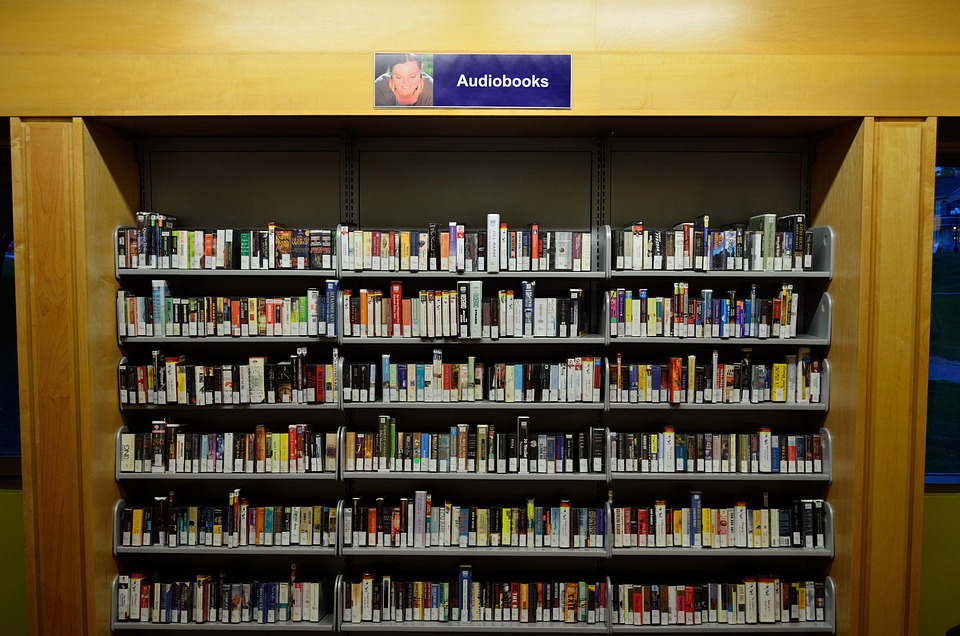
Audiobooks may seem like a newer form of reading, but really it began before most of us were born. They were introduced in the early 1930s by the American Foundation for the Blind; some of the first recordings being of William Shakespeare’s plays. Later in 1952, there was a recording of Dylan Thomas’s poetry, the earliest documented audiobook. It’s clear they’ve served the accessibility world a great purpose for decades, so what changed to make it more mainstream? A good reason could be the company Audible. I was always under the assumption that they’ve always been an audiobook company for at most ten or so years, but as it turns out, it’s a few years older than myself. In 1995, they made it possible to download books onto desktop computers. In 1997, they made the first portable digital audio player. And now they are the number one place to find an audiobook, with over one million titles to choose from.
Even with the good that comes from listening to audiobooks, there is still a good portion of the book world who have an issue with it and the people who do. I recently saw someone’s post about how audiobooks are for listening, so you shouldn’t be able to say you read the actual book. Others have a problem with the audio itself: from the voice actor to the silences that don’t fit the story. It’s also important to note that people see this as more expensive than owning a physical copy because in order to listen to an audiobook today, you need a device. Audible charges for their memberships and when you don’t have one, a single book averages around $33.